home
One house. Designed as one living machine.
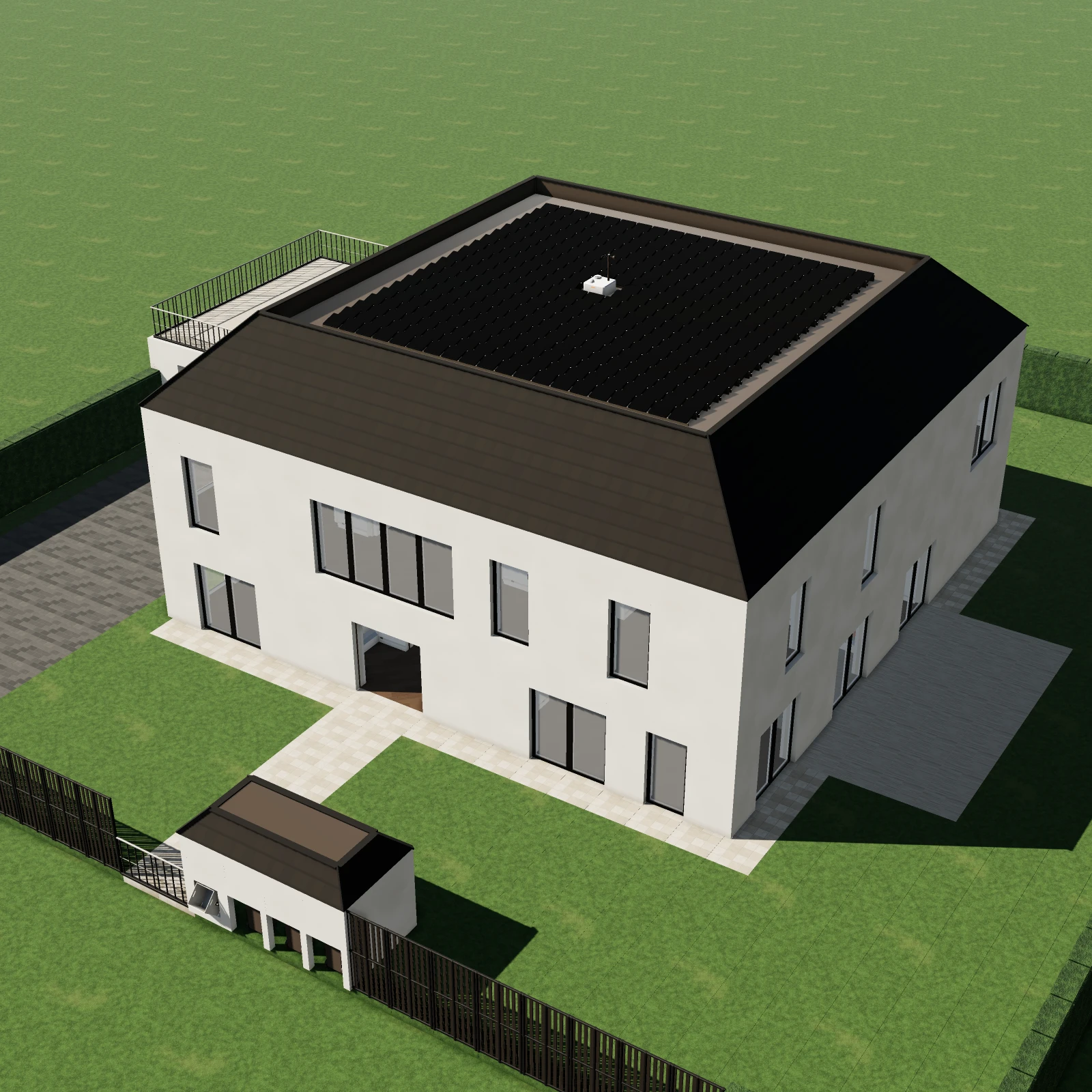
Three systems, one organism.
Nothing on this page is sold as a separate gadget or accessory. The house, its robotics and its mind are designed together, on one common measure.
precision_manufacturing
psychology
The house.
The building itself, built the same way every time.
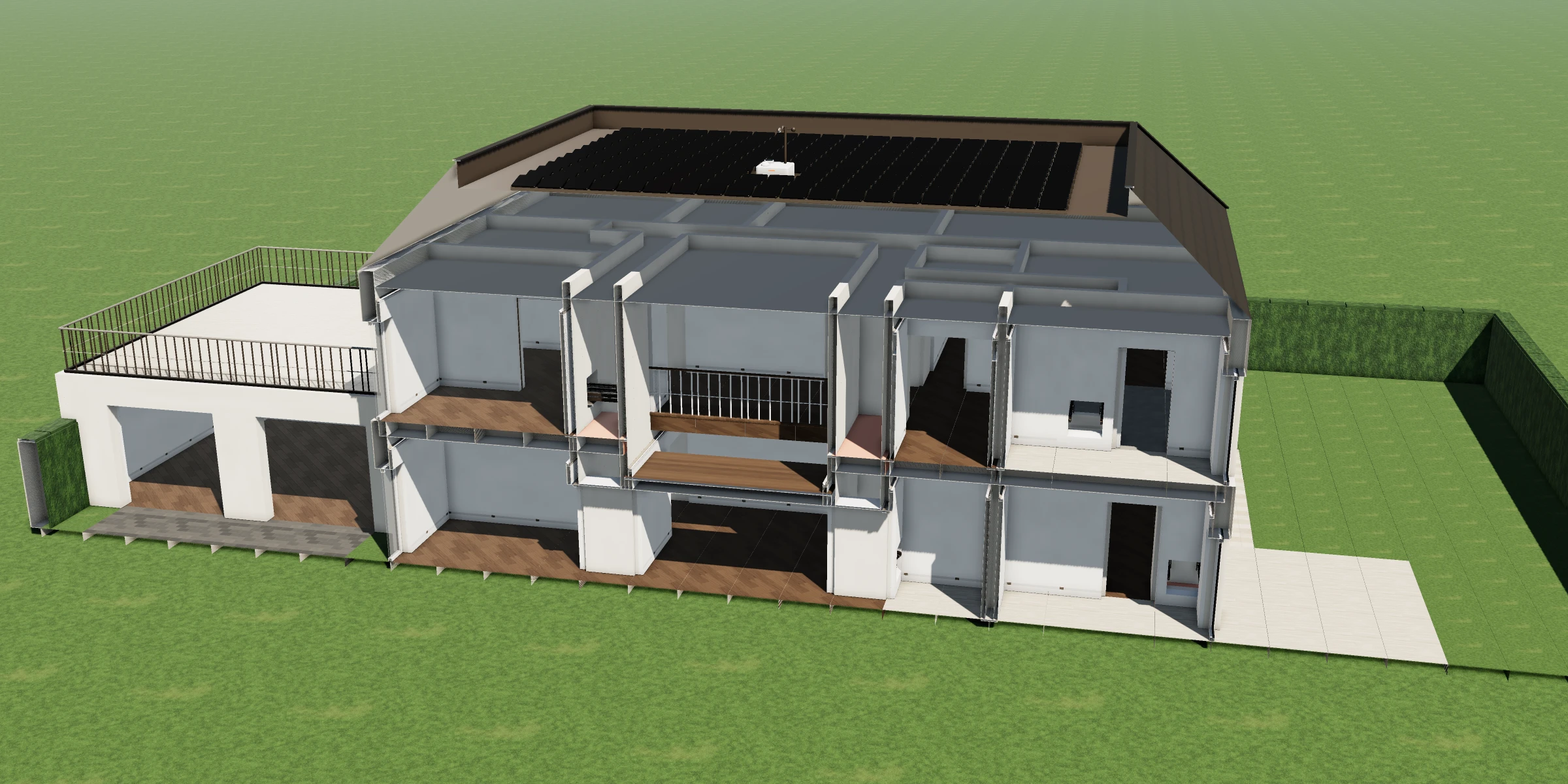
One plan, drawn once, for every house.
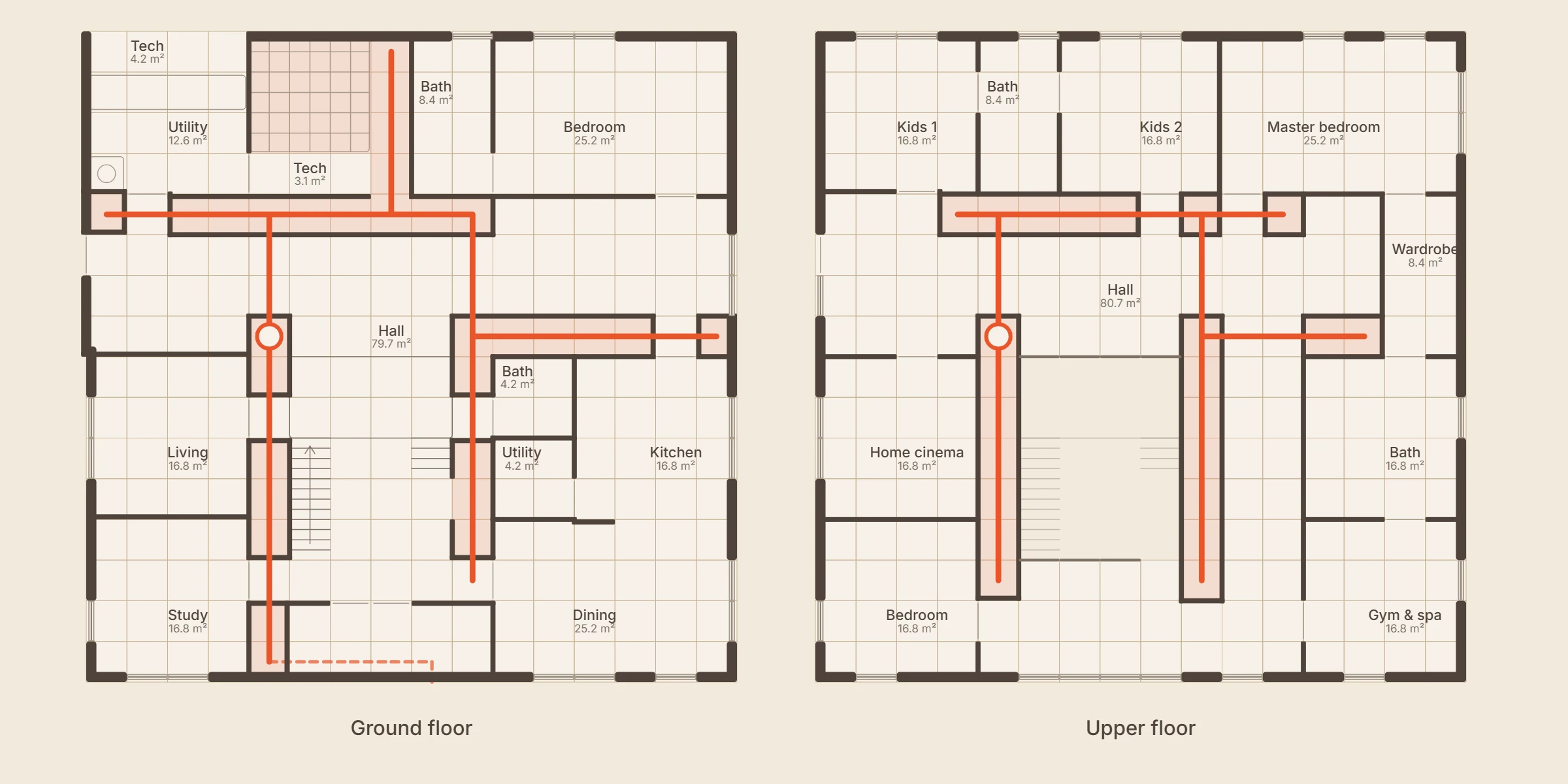
5
bedrooms
4
bathrooms
512 MU²
on two floors, 1 MU = 1 024 mm
14.7 m²
walk-in wardrobe
Designed down to the millimetre.
Everything in the house is built on one rhythm. Each size doubles the one before — 16, 32, 64, up to the 1 024 mm module, the MU — the way an octave doubles a note. That is why the rooms feel calm and whole, and why every part fits every other, to the millimetre.
512MU²
16 × 16 modules, on two floors
2
storeys
3 072mm
one storey, three modules
320mm
every outer wall
1 024mm
one module (MU), the grid everything sits on
2 048mm
every door, two modules high
480mm
the box, exactly the clear space of its 512 cell
128
boxes in the house
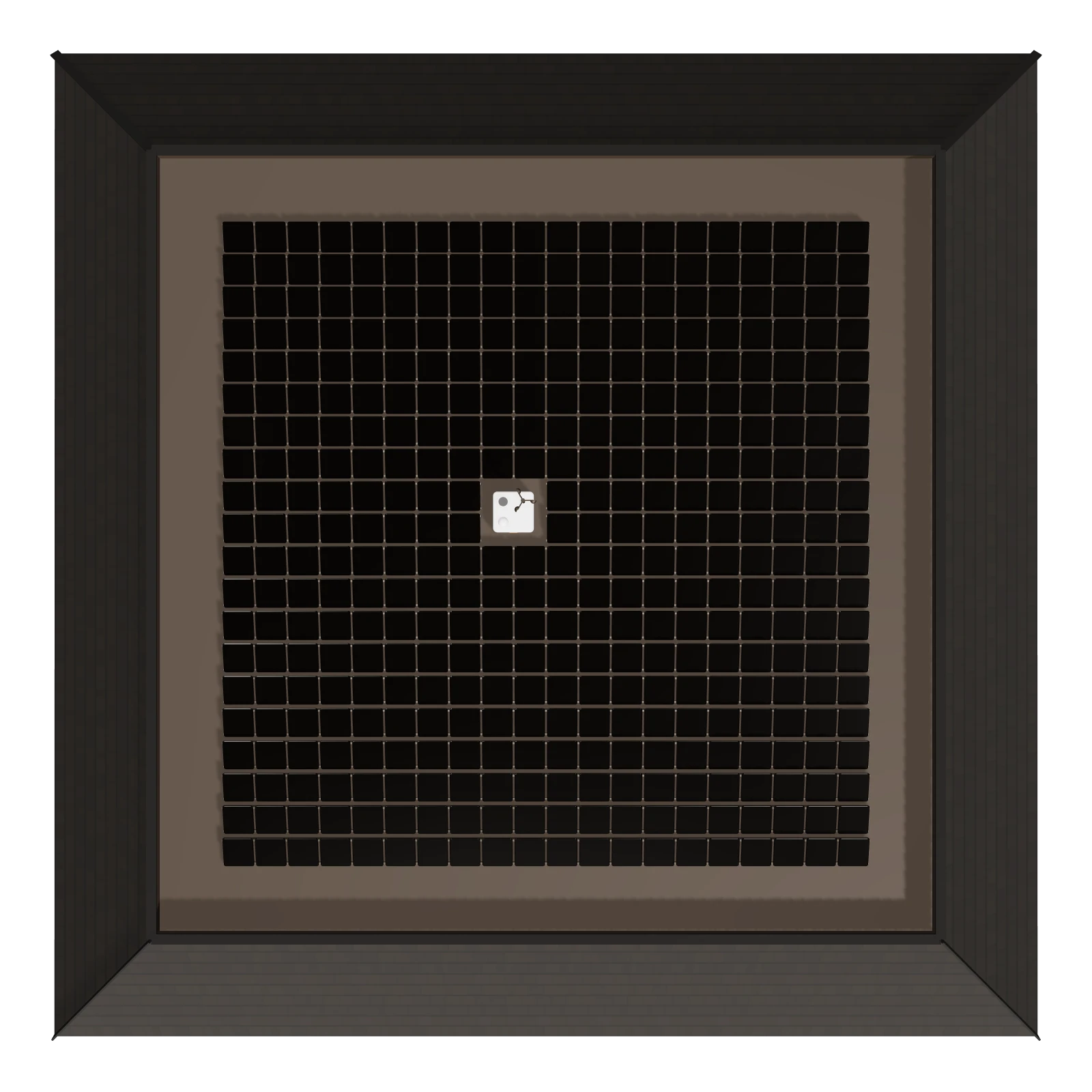
A plain roof, with a power plant inside.
From the street it is a tiled roof at 45°. Behind the slope the roof drops into a sunken flat, and that flat is solar panels from edge to edge, facing south and hidden from every side. In the middle stands one tile of sensors: wind, rain and the sky above the house.
99 MU²
of solar
≈ 19
kWp, estimated
45°
tiled slope, all round
1
tile of sensors
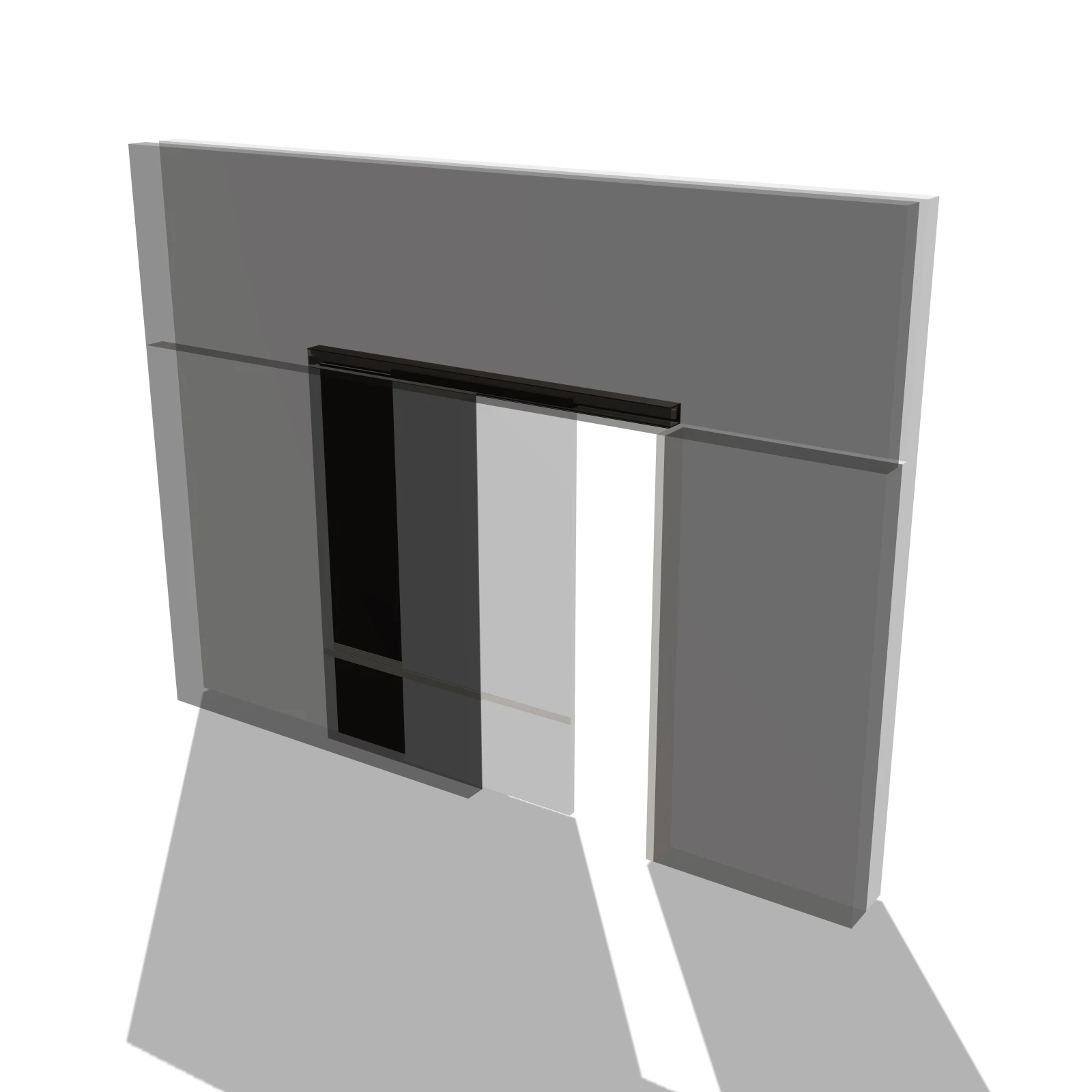
Doors that disappear into the wall.
Every inside door is one leaf that slides a whole module into the wall beside it. No handle, no frame, no hinge. It is carried by magnets in the head above the opening and has no motor or bearing of its own, so the opening stays completely clear and there is nothing in the leaf to wear out.
1 024 × 2 048
mm, the opening, fully clear
40
mm, the leaf
0
handles, frames or hinges
1
power line to each door
Two layers of glass, four states.
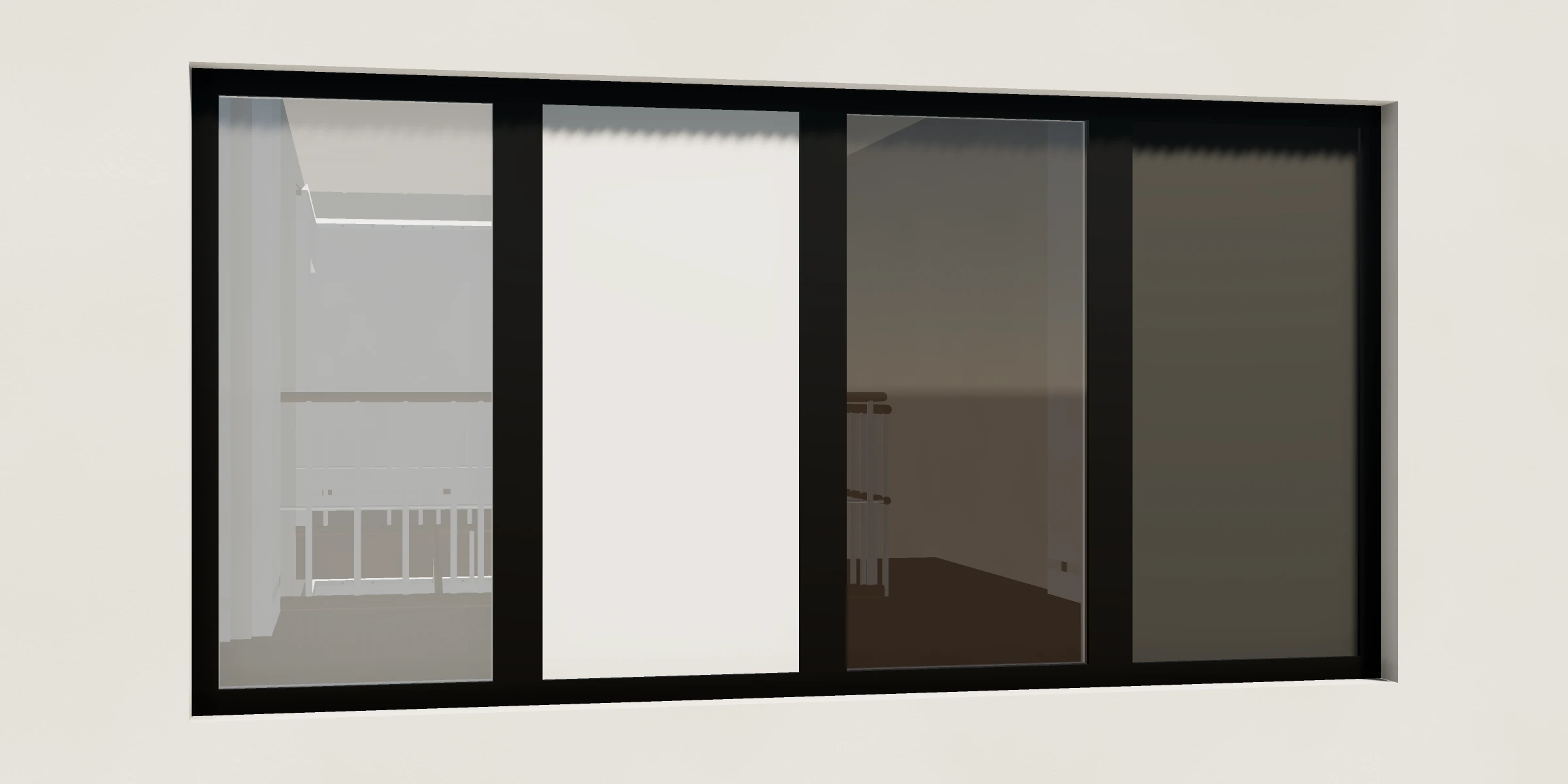
Clear
full light, full view
Opaque
light in, no view in
Tinted
less sun, view out
Closed
dark and private
The robotics.
Everything that moves and runs behind the walls, and all of it goes home to one room.
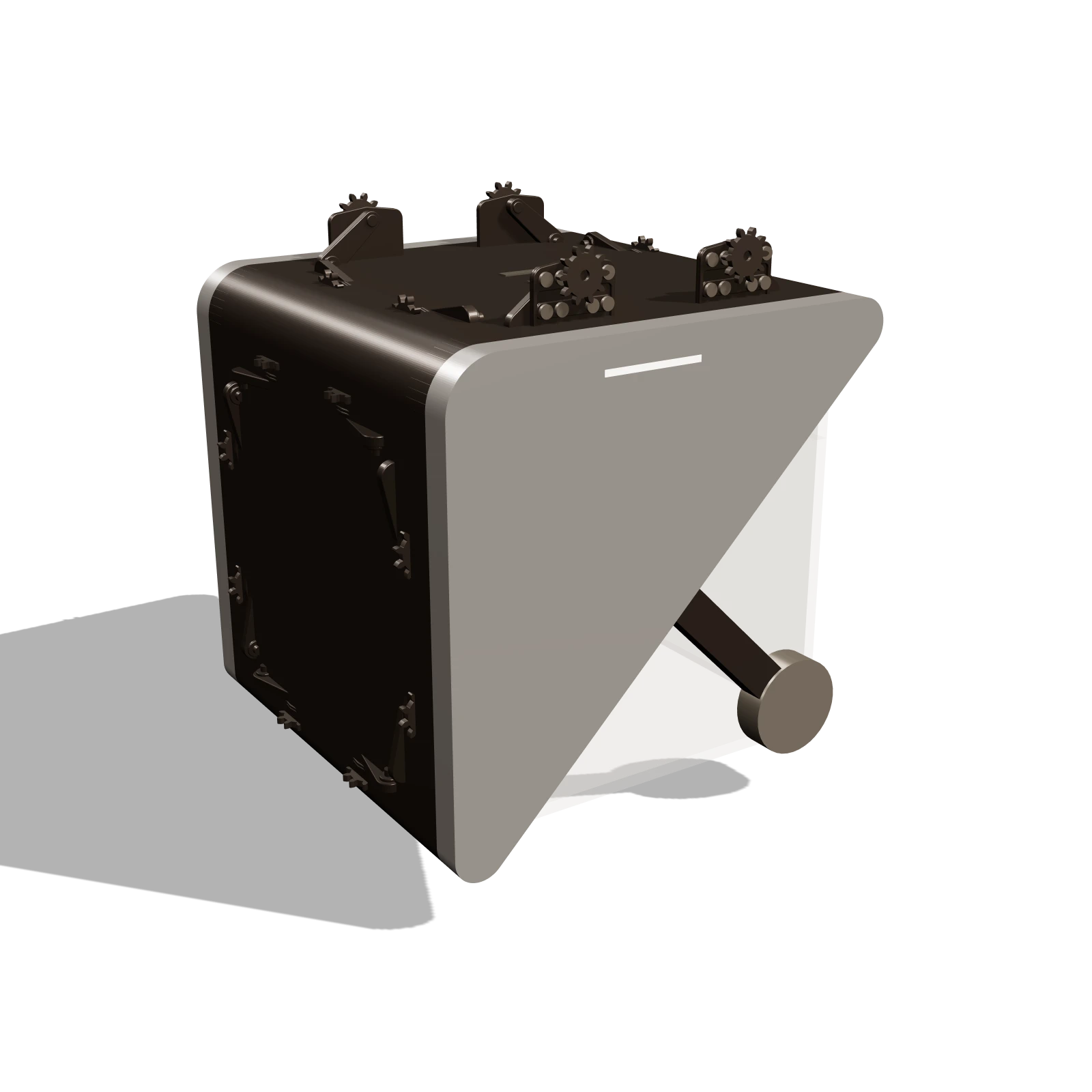
The storage arm.
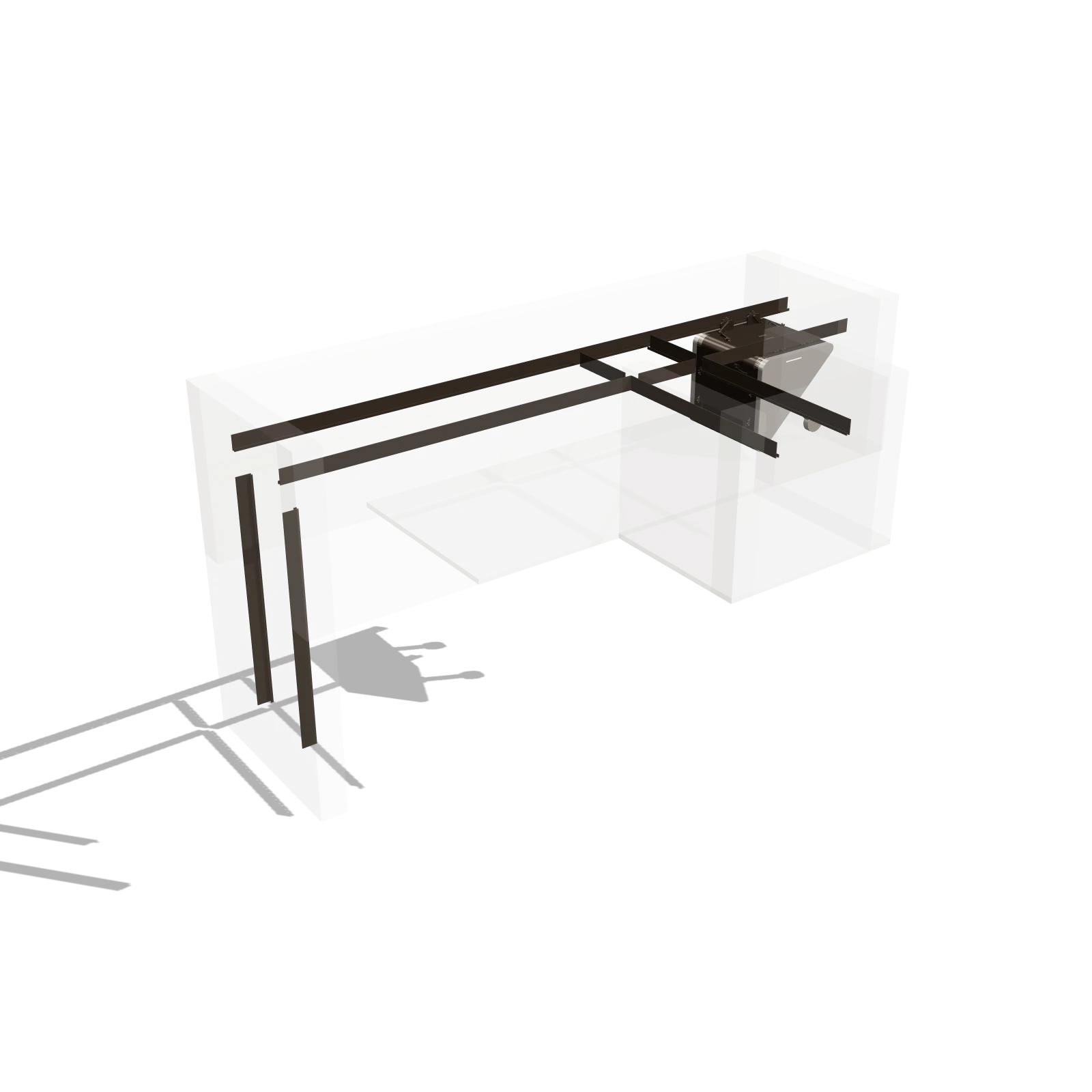
Two storage arms do all the carrying, or more if you want things faster. Each runs on toothed rails at the top of each storey, climbs between floors and lowers the box wherever it is needed. Its battery, motors and brain all ride with it, so the rails stay plain metal for the life of the house. If an arm ever fails, it is swapped for another in minutes.
8
km/h along the track
4
km/h up and down
640
mm, the whole machine
≈ 2
minutes to swap an arm
A track above every door.
The arm runs in its own lane at the top of each storey, above the height of every door, so it never crosses anyone's path. A lift joins the two floors, and a tunnel under the garden runs out to the street. At every crossing the arm simply changes wheels and turns without turning.
2 048
mm up, where the lane begins
864
mm, the lane's width
7–18
seconds to any room downstairs
20–37
seconds to any room upstairs
Every box in one place.
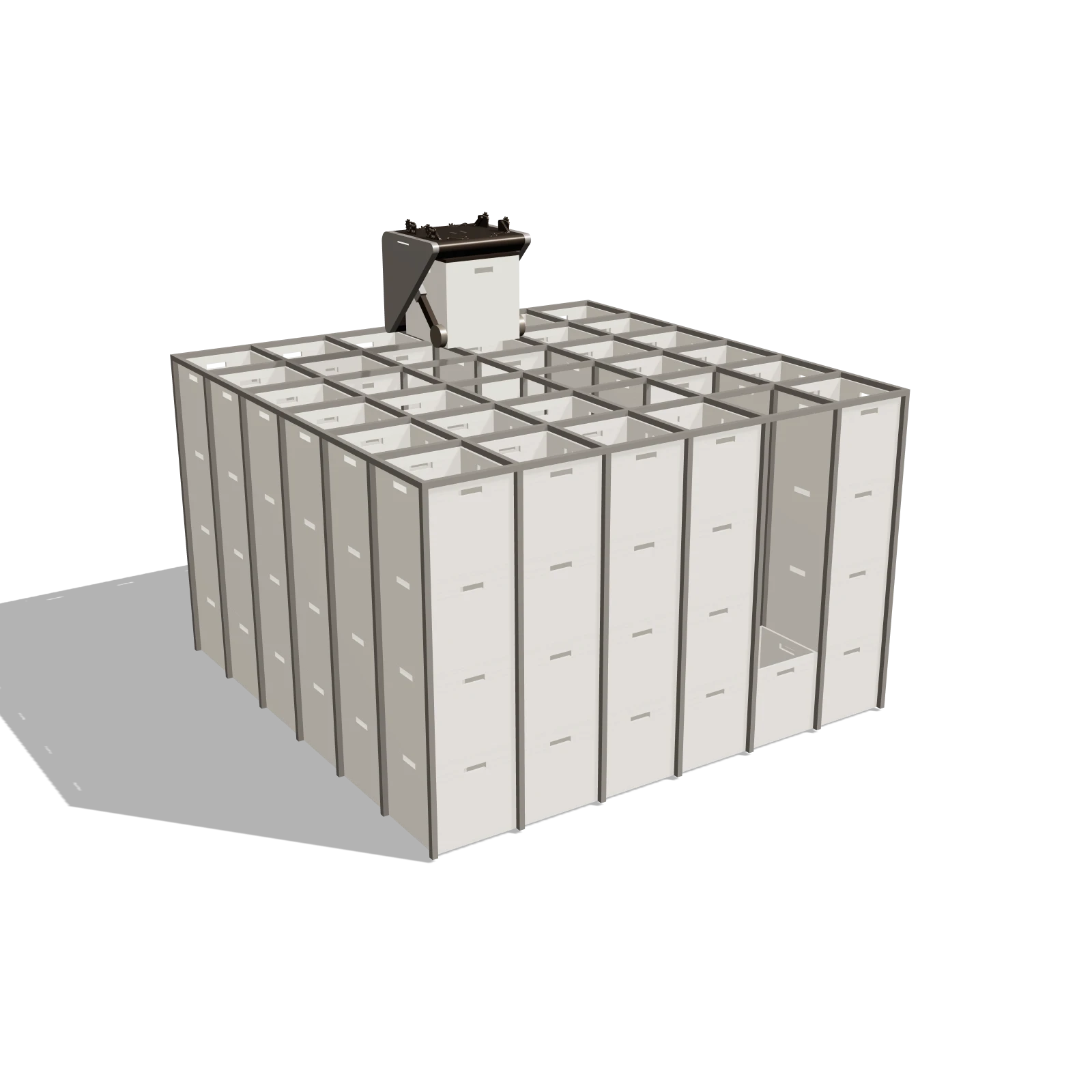
Everything you store lives in one grid of identical boxes, stacked four high. Ask for something and the arm digs its box out and brings it to you; give something back and the house remembers where it went. There is no cellar to tidy and no shelf to search.
128
boxes in the house
144
places, 6 × 6 × 4
480
mm, one box size
13–17
seconds for a box on top
The box comes out of the wall.
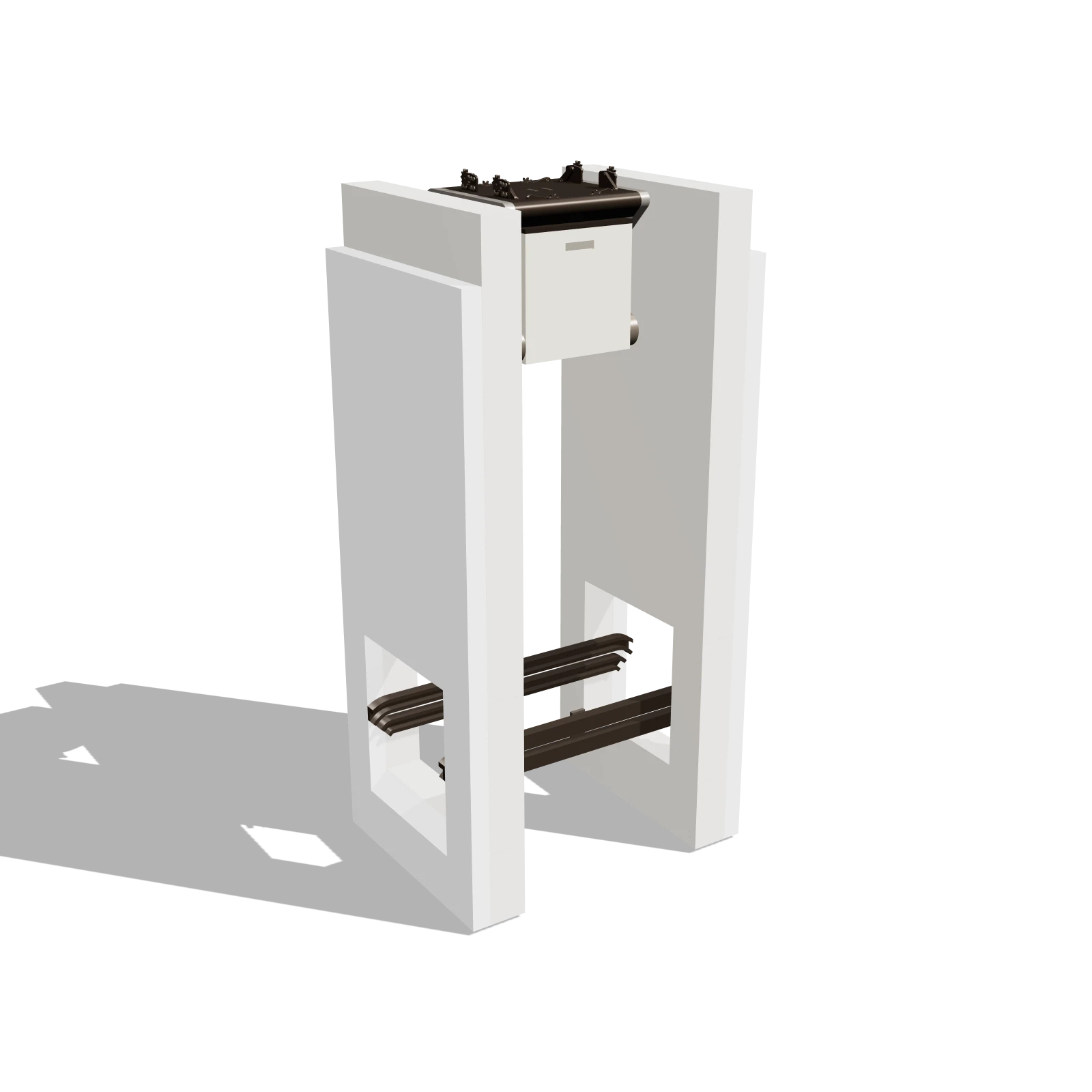
Rooms have a hub: a small opening low in the wall. The arm lowers the box into it from above, and a holder tilts it out into the room, open side towards you, ready to take from or fill. When you are done, it tilts back and the arm takes it home.
18
hubs in the house
320
mm, the sill above the floor
45°
the box tilts out to you
≈ 1 m
above the floor, the box at hand
Parcels in, rubbish out.
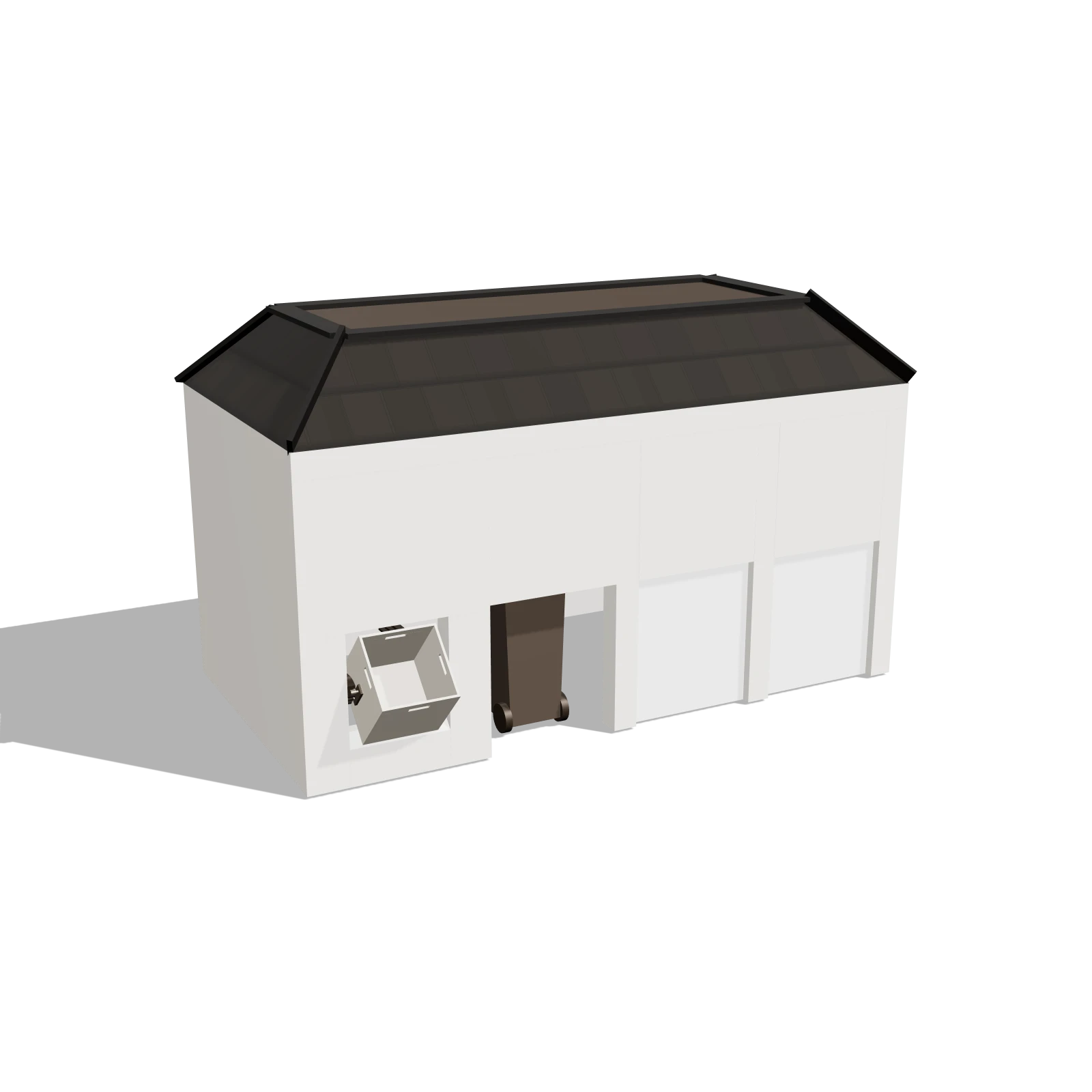
At the street stands a small building of its own, joined to the house by the arm's tunnel. A courier puts a parcel into its box, and the arm brings it into the house. Rubbish goes the other way: the arm carries it out and empties it straight into the bins, which roll out through their own doors on collection day.
1
parcel box, open to the street
3
bins, a door each
0
motors to empty a bin
≈ 45
seconds from the house to the street
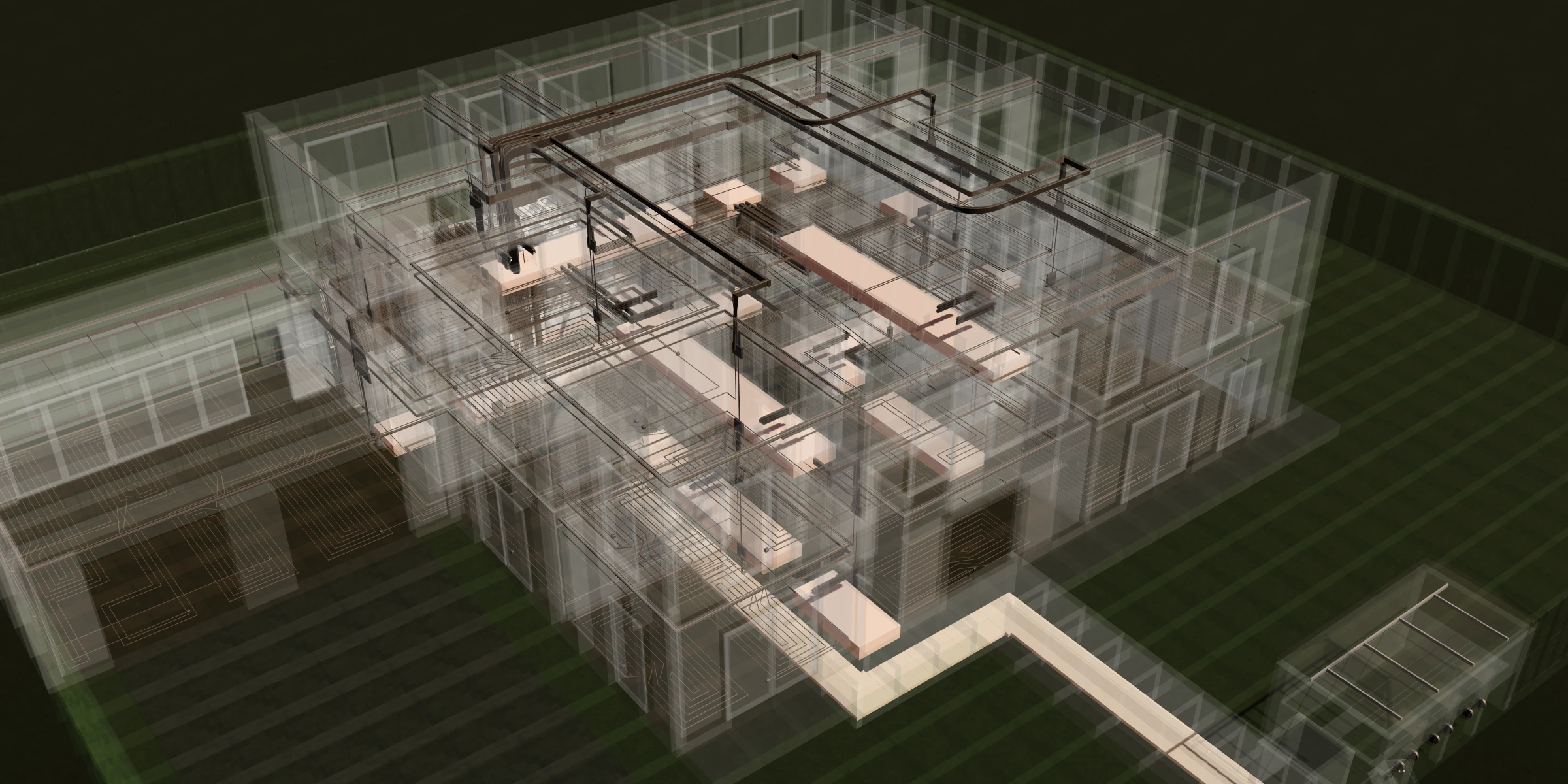
Every line runs home to one room.
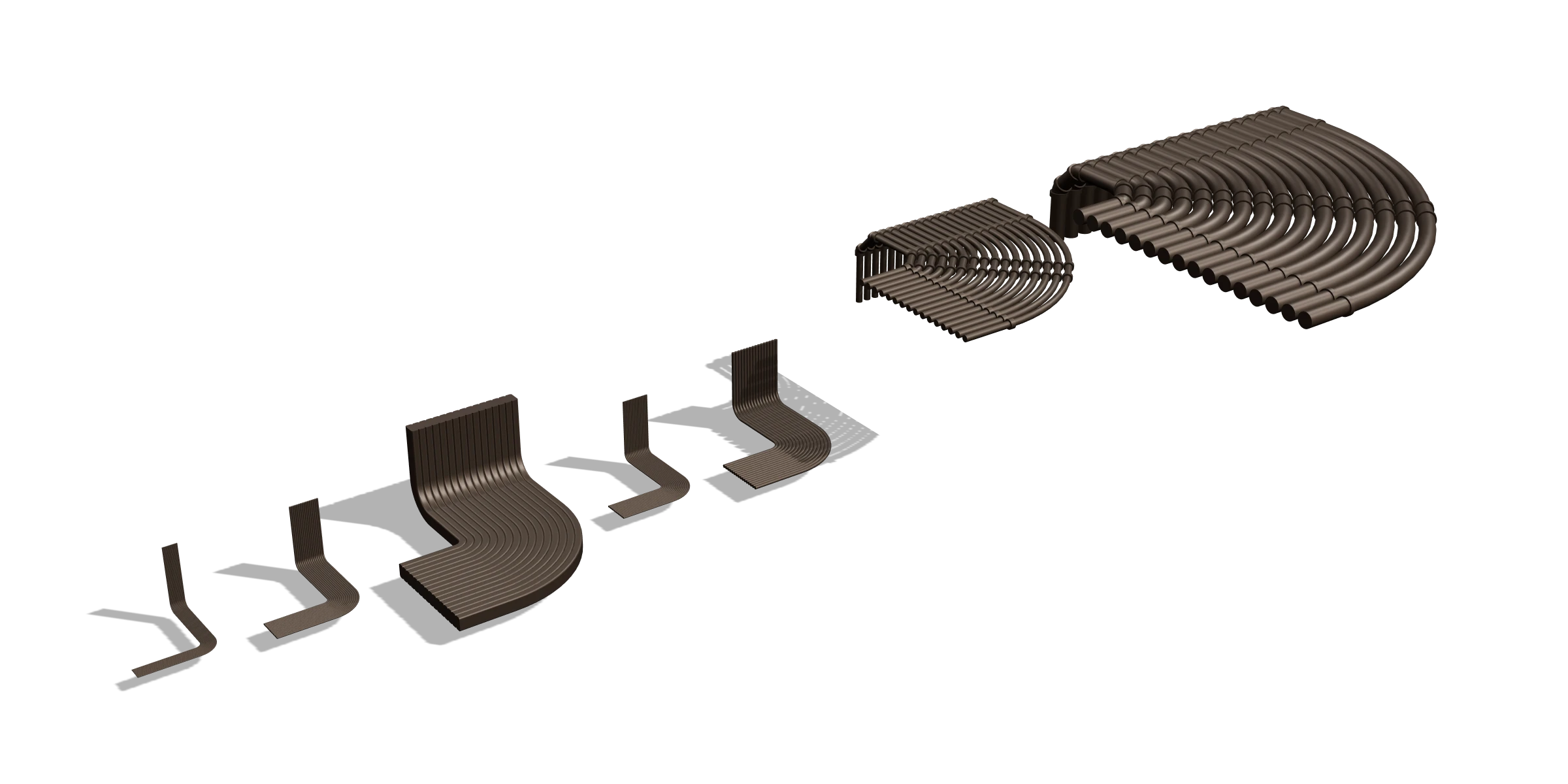
392
lines, each its own run home
14.3
km of them in the house
1
room they all end in
0
wet lines above anything electric
Every room breathes on its own line.
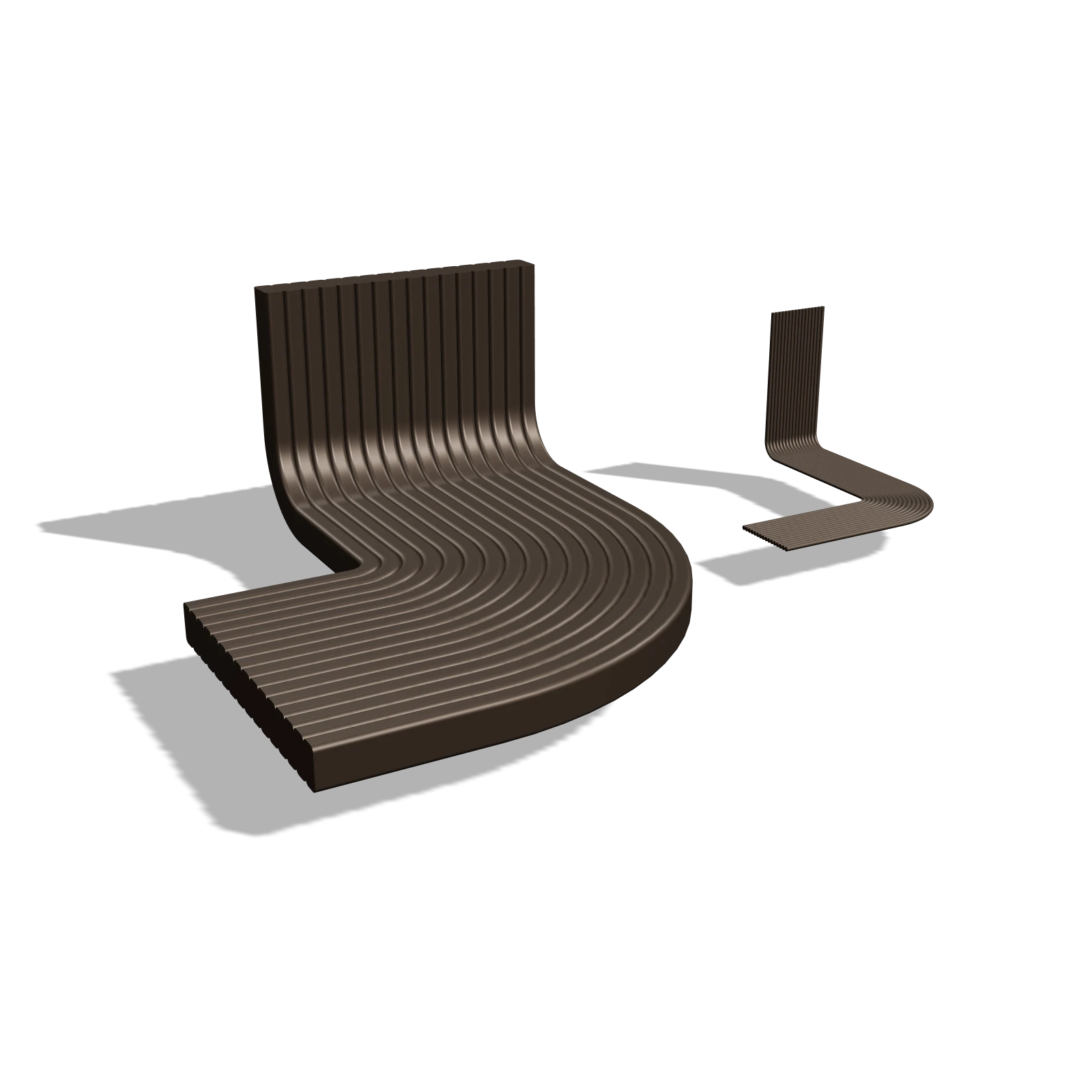
Each room gets its own fresh air and its own exhaust, straight from the utility room, spread evenly along the top of its walls. The warmth comes from the floor, laid as a spiral so every part of the room gets the same heat. One heat pump makes it all, and keeps the heat of the air it sends out.
2
air lines per room, in and out
16
m² at most per heating zone
1
heat pump for the whole house
0
radiators
One wall runs the house.
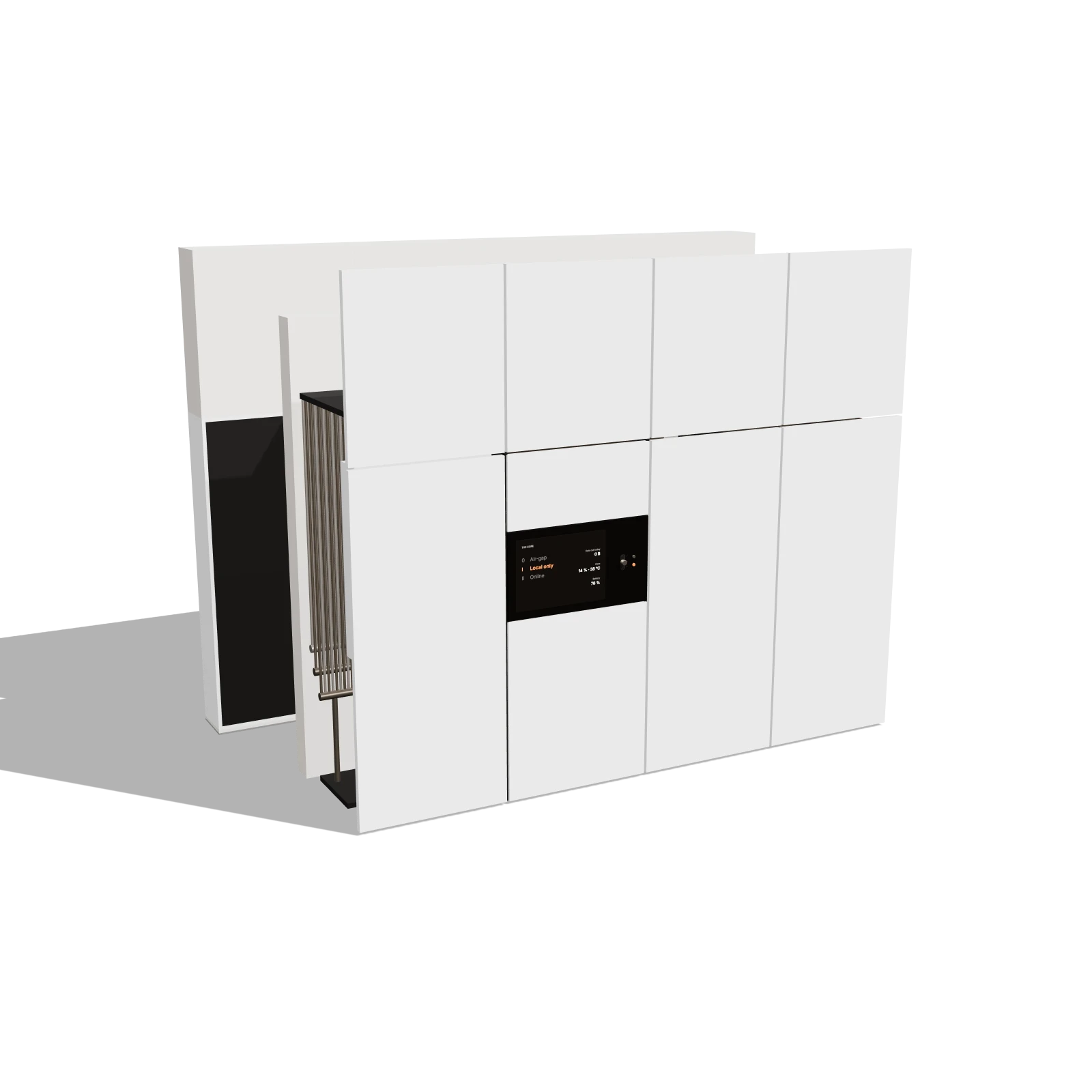
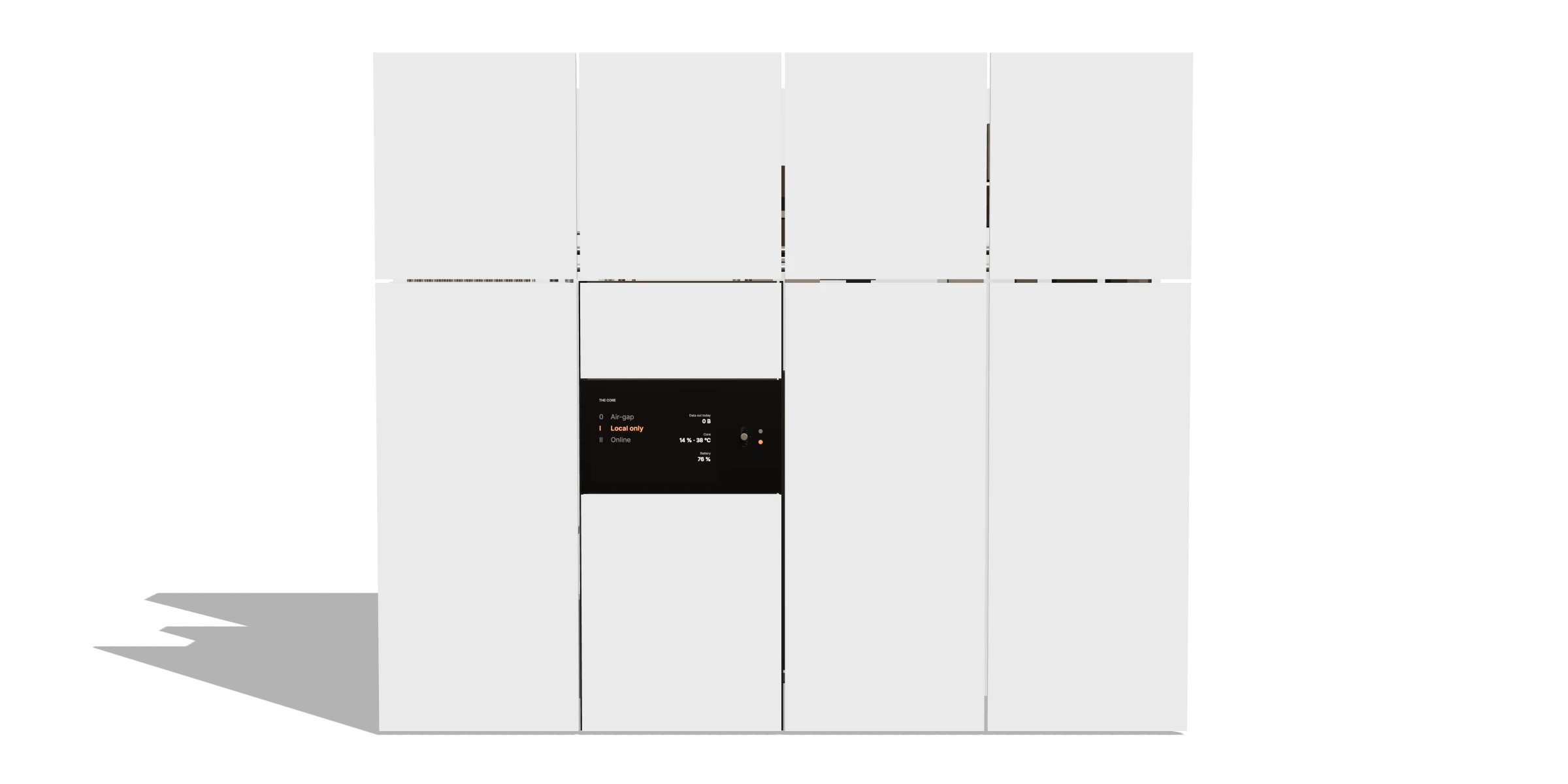
Every machine the house needs stands behind one wall of white panels in the utility room: the heat pump, the fresh air, the water, the battery, the power and the home's computer. Each panel clips off, and every machine stands low enough to reach. Above them, every line arrives from the rooms.
4 × 2
modules, the whole wall
2 048
mm, no machine taller
1
battery for the house
0
doors, the panels clip off
The mind.
One computer in the house that sees, thinks and runs everything, and answers only to you.
One brain for the whole house.
Home intelligence is a local AI computer in the utility room. It runs every model, every memory and every automation in the house, and all of it happens here: nothing needs the cloud to work.
1 024
GB of unified memory
16
TB of long-term storage
1
brain for the full house
0 B
sent out, unless you allow it
Eight skills from the first day.
The brain runs the house's own operating system. It comes with eight skills, all included and all on from the day you move in.
home
Home
Switches everything — light, blinds, heat and air, room by room. Every other skill asks Home.
shield
Guardian
Notices what matters and answers step by step: a notice, a word, an alarm, a call for help.
location_on
Locate
Remembers where your keys, glasses and wallet are, and lights the way to them.
schedule
Clock
Carries the day: morning light, warmth, and winding down at night.
visibility
Watch
Keeps an eye on hazards — the pool, small children near water, the edge of the plot.
event_note
Household
The family calendar, bin days, supplies and filter changes.
bolt
Energy
Solar, battery and tariff, balanced socket by socket.
history
Historian
The house's history: who came, when a door opened, what happened. Events, not video.
You decide what the house does.
-
Everything, your way. The light, the warmth, the glass — down to how fast a door closes.
-
Every person, their own settings. Each of you has your own light, warmth and way of waking up — the house knows who is in the room.
-
Who may do what. Choose which rooms your children can open, and who can reach which boxes.
-
Local first. It all runs on the house's own operating system. Your data stays inside.
The Guardian watches over your home and everything in it.
Day and night, the house watches every room with its vision, sensors and LiDAR. It knows who is home, where they are and what is happening, and it steps in the moment something is wrong.
Aware of everything. Every room and every door, all the time. Nothing in the house goes unnoticed.
You decide what it does. It can follow everything, or only what you allow: for the whole house, room by room, person by person.
It never leaves your house. What it sees is understood by the brain in your utility room and stays there.
| Someone falls | It notices at once, asks if you are all right, and calls for help if no one answers. |
| Someone breaks in | It wakes the house, sounds the alarm and shows everyone at home what is happening. |
| A child near the pool | It tells you before your child reaches the water. |
| You are away | It looks after the house and tells you only what matters. |
It understands, it does not film.
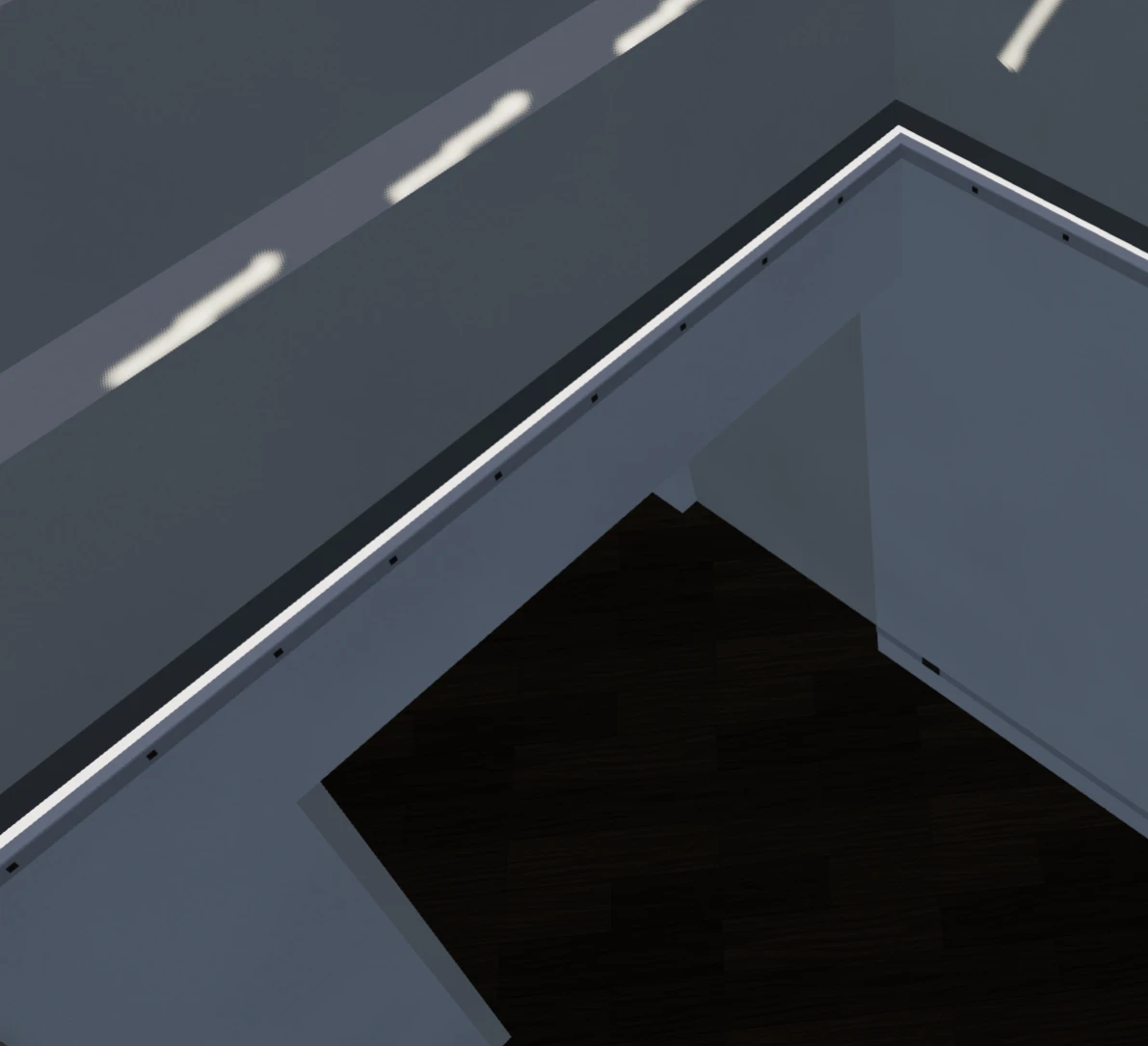
Every room has a small sensor node in the top of its wall, its vision and sensors on one line to the brain. What they see becomes understanding: who is in the room, that someone fell, that a parcel came. No video is kept unless you switch it on, and even then each person sees only what they were there for.
1
sensor node in every room
1
line from each node to the brain
0
video kept by default
0
images that leave the house
The Sovereignty Switch.
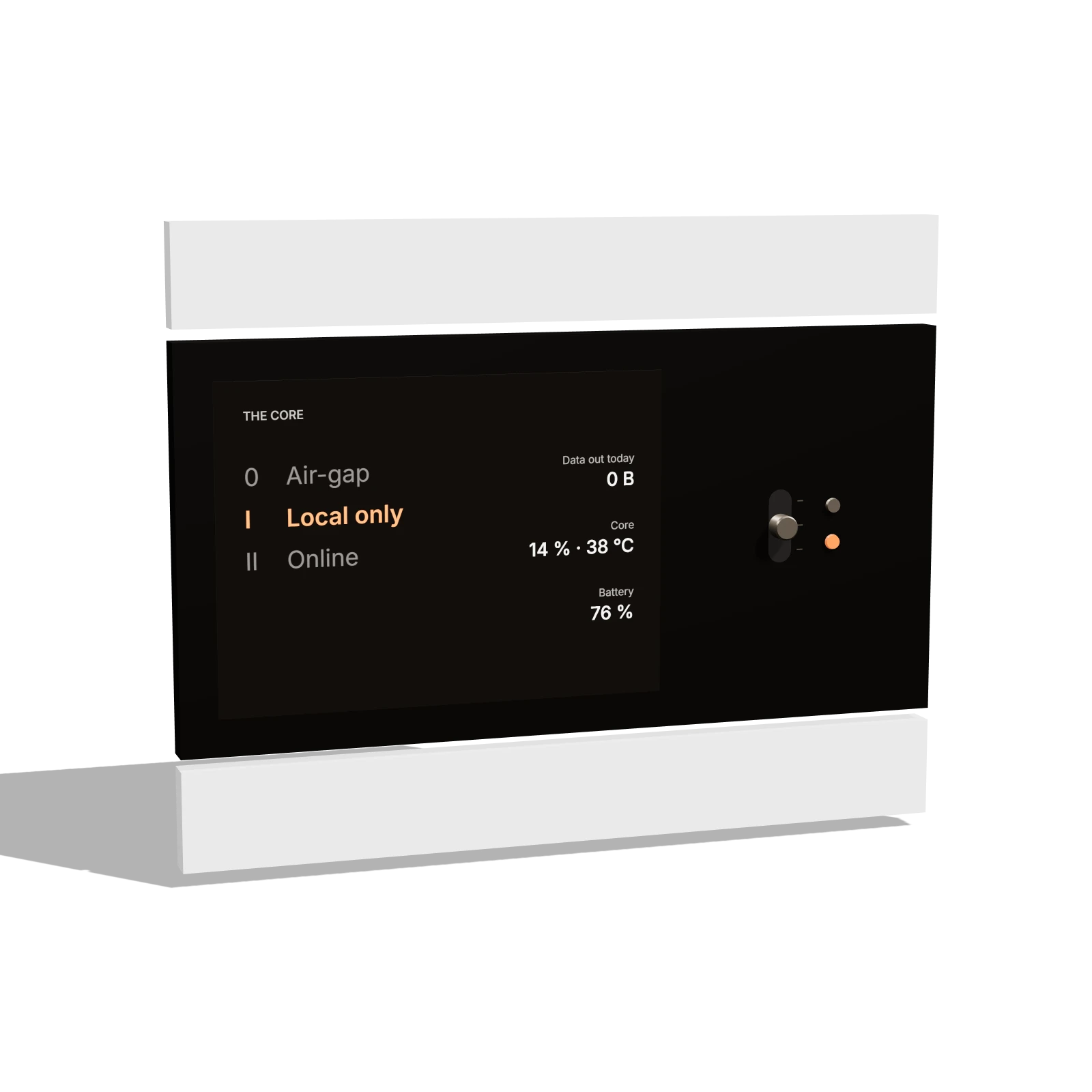
Usually what a home knows about you goes to someone else's server, protected by a setting in an app. Ours thinks in one computer inside the house, with no cloud, no account and no subscription. A physical switch on the Core, the Sovereignty Switch, decides whether it is online at all, not a setting in an app.
0
air-gap, nothing in or out
I
local only, the house alone
II
online, when you choose
0
accounts or subscriptions
Join us on this groundbreaking adventure. Become a ....
cottage
Founding owner
Build one of the first fechter homes on your own plot, and shape what every house after it becomes. Become an owner
savings
Investor
A founding round is open. The deck and its terms are sent on request. Invest
groups
Team member
Robotics, magnetic drives, switchable glass, air, heat, embedded systems, architecture and design. Work with us
construction
Construction partner
Regional firms and trades — timber, joinery, stone — who want to build the same house, precisely, again and again. Build with us